Expert in Tampa, FL
What is Postherpetic neuralgia (PHN)?
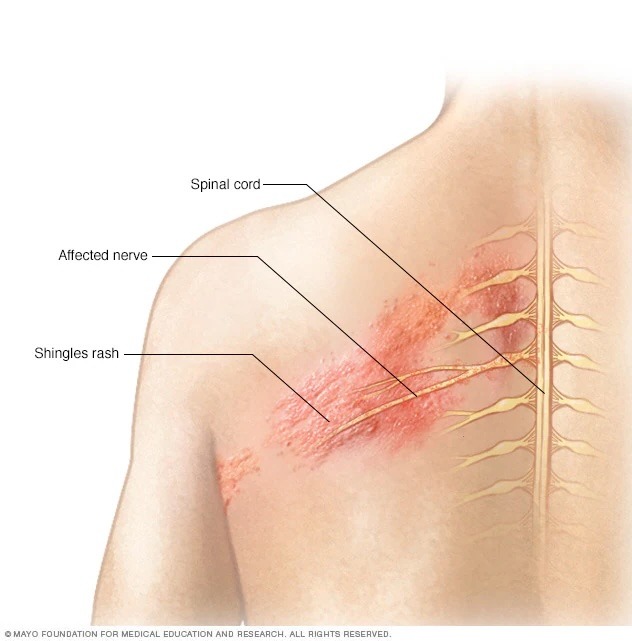
Postherpetic neuralgia occurs when the varicella-zoster virus (the virus responsible for chickenpox and shingles) damages sensory nerves during a shingles outbreak. Even after the rash disappears, the injured nerves may continue to generate abnormal pain signals.
PHN is generally diagnosed when nerve pain persists for three months or longer after the shingles rash has healed
Symptoms of Postherpetic Neuralgia
Patients with PHN may experience:
- Burning, stabbing, or electric shock-like pain
- Extreme sensitivity to touch (allodynia)
- Pain from clothing or light contact with the skin
- Tingling, numbness, or itching sensations
- Increased sensitivity to temperature changes
- Sleep disturbances due to persistent pain
- Reduced ability to perform normal daily activities
Symptoms typically occur in the same area where the shingles rash was present.
When Should You Seek Treatment?
You should consider evaluation by a pain specialist if:
- Pain continues after your shingles rash has healed
- Medications are not providing adequate relief
- Your pain interferes with sleep, work, or daily activities
- You experience severe sensitivity to touch or clothing
- Symptoms have persisted for several months
Early intervention may help prevent long-term pain sensitization and improve outcomes.
Advanced Treatment Options for Postherpetic Neuralgia
At Tampa Pain MD, treatment is tailored to each patient’s symptoms, pain severity, and affected nerves.
Why Choose Tampa Pain MD?
At Tampa Pain MD, we focus on advanced interventional treatments for complex nerve pain conditions. Rather than masking symptoms with long-term opioid therapy, we work to identify the source of your pain and develop a personalized treatment plan designed to improve function and quality of life.
Schedule a Consultation
If you are struggling with persistent nerve pain after shingles, you do not have to suffer alone. Our team can evaluate your condition and determine whether advanced treatments such as nerve blocks, cryoneurolysis, peripheral nerve stimulation, or other therapies may be appropriate for you.