Expert in Tampa, FL
About
Jaw pain, facial pain, headaches, clicking or popping of the jaw, and difficulty opening your mouth can be signs of a temporomandibular disorder (TMD).
At Tampa Pain MD, we provide specialized evaluation and interventional pain management for patients experiencing persistent jaw, facial, and related pain. Our goal is to identify the source of your pain and develop a personalized treatment plan designed to improve comfort, jaw function, and quality of life.
What is TMJ/TMD?
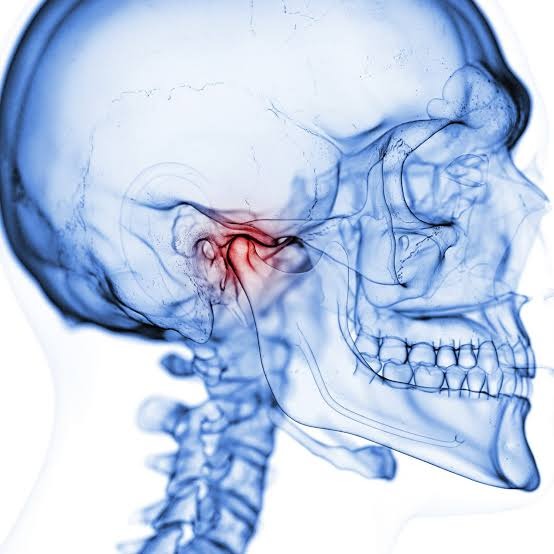
The temporomandibular joints (TMJs) connect your lower jaw to your skull and allow you to talk, chew, and open and close your mouth.
Temporomandibular disorders (TMDs) are a group of conditions affecting the jaw joints, the muscles involved in chewing, and surrounding structures.
TMD can involve the joint itself, the muscles around the jaw, or headaches associated with the temporomandibular region. Some patients may have more than one type of TMD at the same time.
While many cases improve with conservative care, some patients develop persistent or recurrent pain that requires a more comprehensive evaluation.
Symptoms of TMJ/TMD
TMD does not look the same in every patient. Symptoms may include:
- Jaw or facial pain
- Pain in front of or around the ears
- Jaw clicking or popping
- Pain when chewing or talking
- Difficulty opening the mouth
- Jaw stiffness or locking
- Pain or tenderness in the chewing muscles
- Headaches associated with jaw pain
- Facial pain that spreads into the neck
- Ear-related symptoms such as ringing or a sensation of fullness
- Pain that worsens with clenching or grinding
- Changes in jaw movement
- Persistent facial or jaw pain without an obvious cause
A clicking or popping sound by itself does not necessarily mean that treatment is needed. Pain, restricted movement, locking, or other functional problems are more important when evaluating a possible TMD.
What Causes TMD?
TMD can have multiple contributing factors. In many patients, there is not one single cause.
Potential contributors include:
Trauma involving the jaw, face, or neck can contribute to temporomandibular joint or muscle pain.
Frequent jaw clenching or nighttime teeth grinding can place additional stress on the muscles and joints involved in chewing.
The muscles to chew can develop persistent tenderness, tightness, or myofascial pain.
- Arthritis and Joint Changes
Arthritis and other changes within the temporomandibular joint can contribute to pain and reduced movement.
- Chronic Pain and Headache Disorders
TMD can occur together with other chronic pain conditions and headaches. For some patients, jaw pain may be part of a broader facial pain condition.
- Nerve-Related Facial Pain
Not all facial pain comes directly from the TMJ. Nerve irritation or injury can produce pain in the face and jaw that may be confused with TMJ pain.
TMJ Pain vs. Facial Nerve Pain
One of the most important parts of evaluating persistent facial pain is determining whether the pain is actually originating from the temporomandibular joint.
Pain involving the jaw and face can have several different causes.
For example, patients with nerve-related facial pain may experience burning, electric, shooting, stabbing, or hypersensitive sensations. Other patients may primarily experience muscle or joint pain.
Because Tampa Pain MD specializes in interventional pain management and facial pain conditions, our evaluation can help determine whether your symptoms may be related to TMD, a facial nerve, muscle-related pain, or another pain condition.
Treatment Options
Why Choose Tampa Pain MD for TMJ/TMD Pain?
Tampa Pain MD takes a personalized, evidence-based approach to complex pain conditions.
Our practice is led by Dr. Arun Kalava, a double board-certified anesthesiologist and pain physician who completed a Mayo Clinic Acute Pain & Regional Anesthesia Fellowship. Dr. Kalava specializes in ultrasound-guided nerve blocks and advanced interventional pain procedures.
Our practice focuses on:
- Evidence-based interventional pain management
- Minimally invasive treatment options
- Ultrasound-guided procedures
- Personalized treatment plans
- Evaluation of complex facial and nerve-related pain
- Opioid-free treatment approaches
The goal is to help patients reduce pain and improve function while avoiding unnecessary procedures whenever possible.
Contact Us
Persistent jaw and facial pain can affect eating, speaking, sleeping, working, and everyday life.
If you are experiencing TMJ/TMD pain or unexplained facial pain, contact Tampa Pain MD. We can evaluate your symptoms and determine whether interventional pain management may be appropriate for you.